

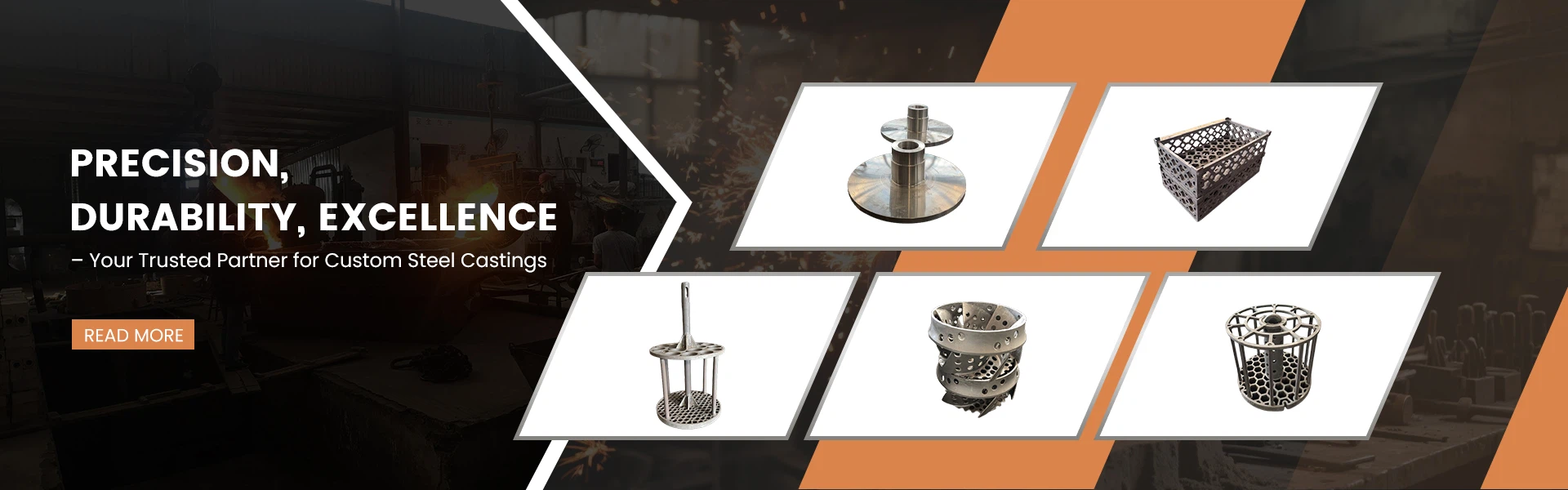
S rychlým vývojem vysokoteplotních průmyslových oblastí se metalurgická tepelně rezistentní ocel stala preferovaným materiálem pro výrobu klíčového vybavení v petrochemickém, síle, metalurgickém a jiném průmyslovém odvětví, která je přímo v důsledku jeho vynikající pevnosti a odolnost vůči životu a je to, že je to životnost a je to životnost a je to, že je to životnost a je to životnost a je to, že je to životnost a je to životnost a je to životnost a je to, že je to životnost a je to, že je to životnost a je to životnost a je to, že je to životnost a je to životnost a je to, že je to životnost a je to, že je to životnost, a je to, že je to odolnost vůči životu a je to odolnost vůči životnosti a je to odolnost vůči životu a je to Přísně dodržujte stavební standardy .
Výběr materiálu a předúprava
The construction of metallurgical heat-resistant steel must first ensure that the material meets international or industry standards, such as ASTM, ASME or GB/T. Common heat-resistant steel grades include 310S, 309S, GH3030, etc. Different grades are suitable for different temperatures and corrosive environments. Spectral analysis, hardness testing A před destruktivním testováním je nutné před vstupem materiálu na místo, aby se zajistilo, že složení a výkon splňuje standardy . Kromě toho musí být před svařováním předehřát tepelně rezistentní ocel, aby se snížilo stres na svařování a vyhnulo se trhlinám .
Řízení procesů svařování
Welding is the core link in the construction of heat-resistant steel, and the process parameters need to be strictly controlled. The welding method usually adopts manual arc welding, TIG welding or laser welding, and the specific choice depends on the thickness of the workpiece and the structural requirements. The welding current, voltage and speed need to be adjusted according to the material properties, and the matching heat-resistant steel welding materials should be used. When multi-layer and multi-pass welding, the interlayer temperature needs to be controlled within a reasonable range to avoid overheating and grain coarsening. After welding, non-destructive testing of the weld (such as UT, RT) is required to ensure the quality.
Tepelné zpracování a kontrola
Heat-resistant steel usually needs to be heat treated after construction, including solution treatment or stabilization treatment, to eliminate residual stress and optimize the microstructure performance. The heat treatment temperature and time must strictly follow the material specifications to avoid overburning or underheating. The final inspection includes macroscopic inspection, hardness test and high-temperature tensile test to ensure that the product meets Požadavky na návrh .
Bezpečnost a ochrana životního prostředí
Ocelová konstrukce odolná vůči teplem zahrnuje vysokoteplotní operace a musí být přijata opatření pro prevenci požáru a prevence proti požáru a musí být ve stejnou dobu vybavena nezbytná osobní ochranná zařízení .
Zvládnutí stavebních standardů metalurgické tepelné oceli může nejen zlepšit kvalitu projektu, ale také prodloužit životnost zařízení a vytvářet vyšší hodnotu pro podnik .


